Key sources checked 19 September 2026. Extension-based decision guide with clearly labeled editorial examples; not an independent farm trial. This is a local review edition.
Keep these questions close.
- Keep tunnel samples separate from outside fields.
- Track what enters with compost, fertilizer and water.
- Do not prescribe flushing or acidification from a single number.
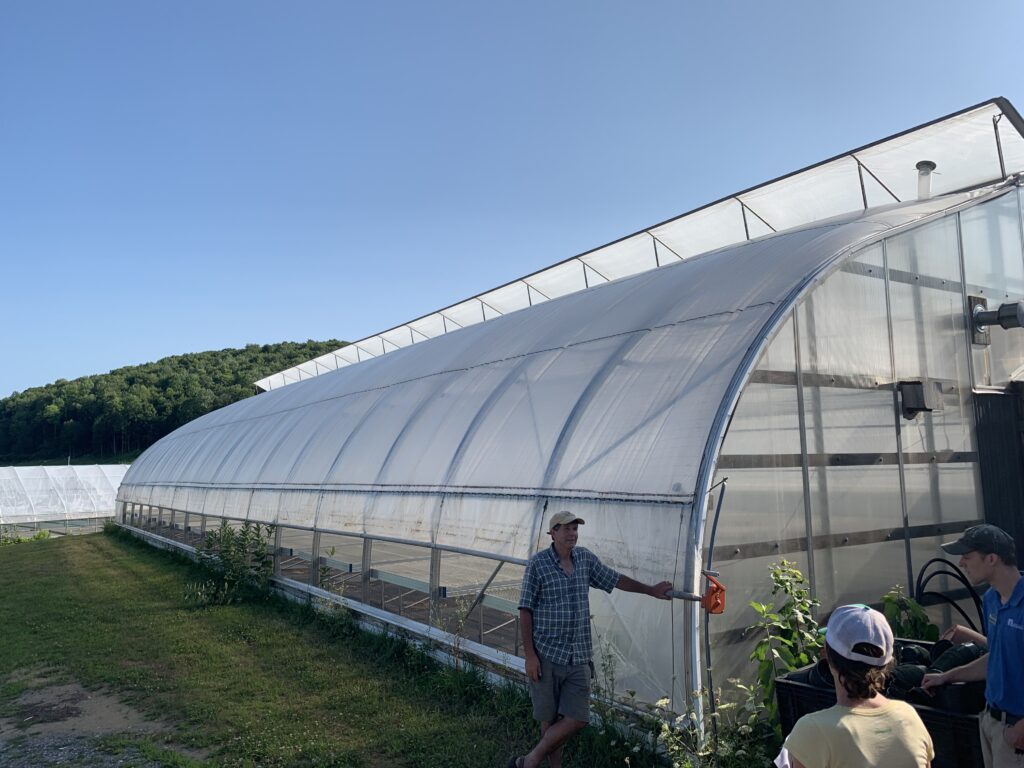
A high tunnel concentrates management into a relatively small space and changes the water reaching the soil. When a crop struggles, another amendment may feel like a constructive response. It can also make the problem harder to diagnose. Start with an input and testing record that separates nutrient supply, soluble salts and irrigation-water chemistry instead of treating them as one soil-health score.
Reconstruct the input history
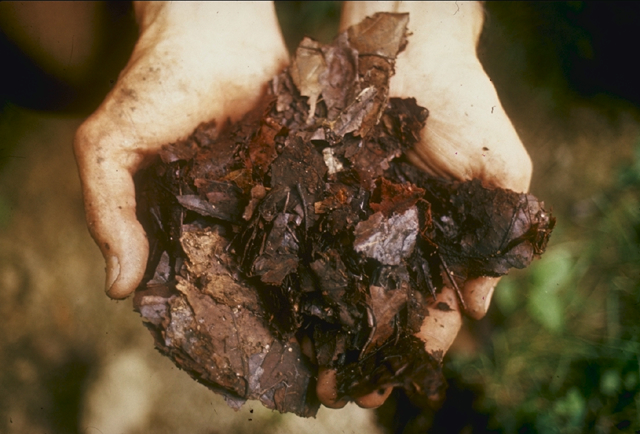
List compost, fertilizers and other amendments by product, amount, treated area and application date. Include repeated small additions that are easy to forget. Keep analyses and labels with the record. A purchase receipt without the area of application cannot explain the loading on a particular bed.
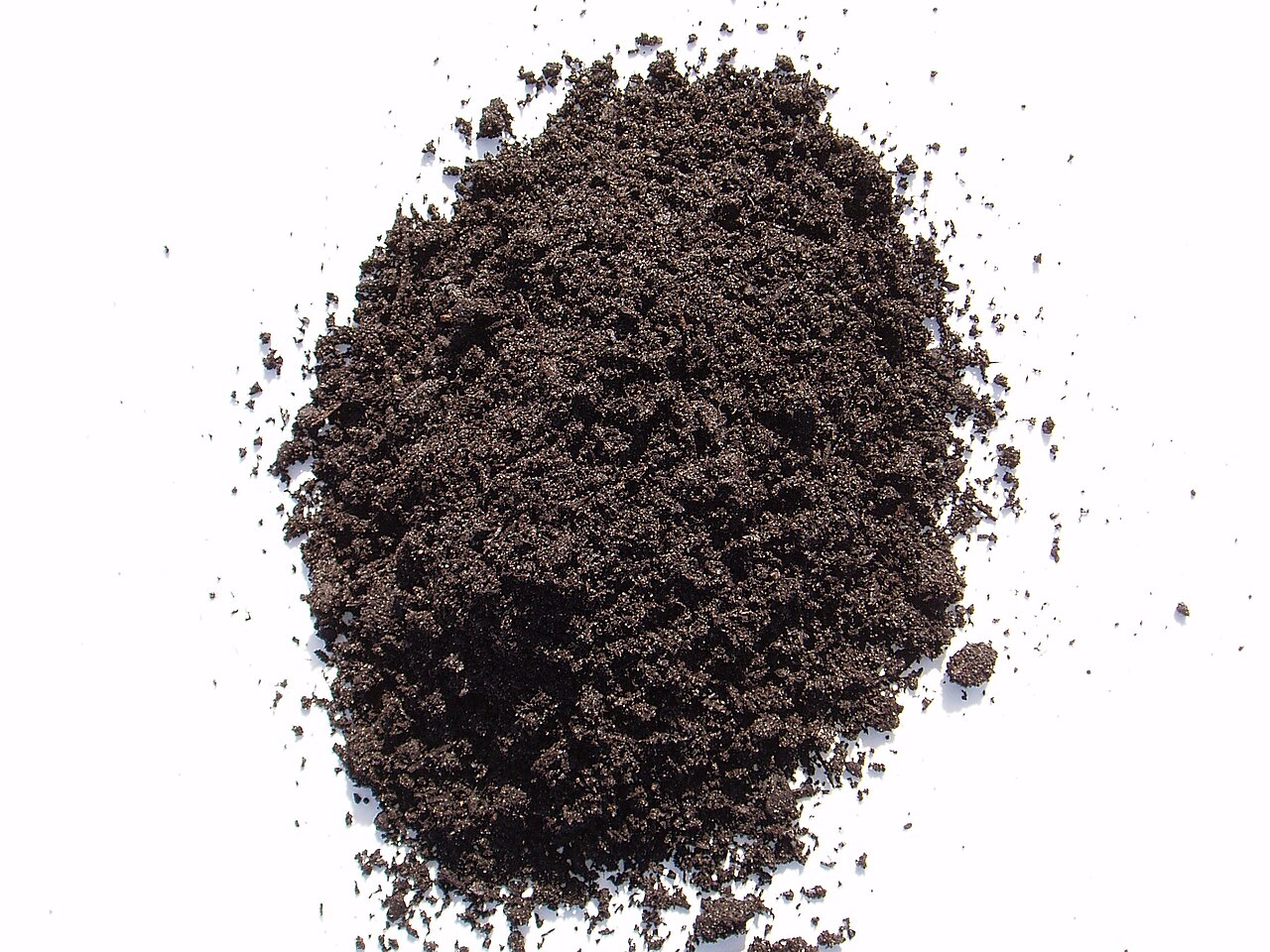
UMN's tunnel guidance discusses nutrient and salt accumulation in this protected setting. That does not mean every tunnel has excessive salts, or that compost is inherently unsuitable. It means a practice that worked at establishment should be reassessed as inputs accumulate. Read the compost-analysis guide before comparing suppliers or assuming equal volumes deliver equal nutrients.
Ask the laboratory a specific question
Use a separate sampling zone for the tunnel and identify beds with different histories. Ask the selected laboratory which soil tests and interpretation are appropriate for protected vegetable production. Maintain comparable sampling depth and method when evaluating a trend. A result from one extraction method should not be casually compared with a threshold written for another.
Electrical conductivity is used as an indicator related to soluble salts, but the test method and crop context matter. A routine nutrient report is not a complete explanation of every crop symptom. Keep observations of affected plants, irrigation behavior and spatial patterns so local diagnostic advice has more than one number to work with.
Test the water as its own input
Water pH and alkalinity answer different questions. UMN's discussion of acidification warns against treating pH alone as the basis for a treatment decision. Ask which water-quality measurements are needed, then interpret them with the soil results and irrigation system rather than in isolation.
A hypothetical audit might show that compost additions changed while the water source remained the same. That is a useful lead, not proof of causation. Conversely, a source change deserves a new water-quality question even when the compost program is unchanged. Record both histories so the distinction remains visible.
Choose a response with constraints attached
Review whether further additions are needed before planning remediation. Removing a cover or deliberately applying water to move salts has site-specific consequences involving drainage, water quality, nutrients and available water. It is not a universal remedy. Acid treatment adds handling and equipment risks and requires qualified advice; this page intentionally gives no dosing recipe.
After a management change, retain the original report and specify what a follow-up sample will test. Pair the audit with moisture monitoring and ventilation planning, but keep their questions distinct. Better airflow cannot remove an excessive soil nutrient loading, and a revised fertility plan cannot substitute for managing heat. The practical benefit of an audit is knowing which problem the next action is intended to solve.
Sources & context
- Soil health and nutrient management in high tunnels · UMN Extension Accessed 2026-09-19
Input-related salts, separate water testing and risks of indiscriminate flushing.
- Should you acidify your high tunnel irrigation water? · UMN Extension Source date: 2022-04 · Accessed 2026-09-19
Water pH and alkalinity are distinct; acid treatment needs expert advice.
- Interpreting compost analyses · Oregon State University Extension Accessed 2026-09-19
Dry versus wet basis; total versus available nitrogen; EC method dependence; C:N alone does not establish maturity.
New editorial synthesis from the sources above. No earlier site edition or field trial is implied.
Site publication date: unset. Research and source dates are kept separate. Confirm material use with your certifier and local extension service.
Your follow-up list
Saved in this browser only.