Key sources checked 19 September 2026. Extension-based decision guide with clearly labeled editorial examples; not an independent farm trial. This is a local review edition.
Keep these questions close.
- Volumetric water content and tension are different measurements.
- Document installation and soil context before setting alerts.
- Check readings against field observations.
A sensor can make irrigation more observable without making the decision automatic. Its reading represents a particular location and measurement method. Before setting a threshold, decide what uncertainty you want to reduce: whether water reached the active roots, whether a lower layer remains wet, or whether a zone is drying sooner than expected.
Name the measurement
UMN distinguishes sensors that estimate volumetric water content from those that measure soil-water tension. A percentage and a tension reading cannot be substituted for one another. Record the sensor type, units and manufacturer's installation requirements on the field sheet. Preserve those details when exporting data or changing software.
An alert copied from another grower's screenshot may refer to another soil, crop or sensor. Even two percentages may not represent equivalent conditions if calibration differs. Ask a local irrigation adviser how the method relates to your soil and crop before treating a numerical threshold as a command to irrigate.
Place it where the question lives
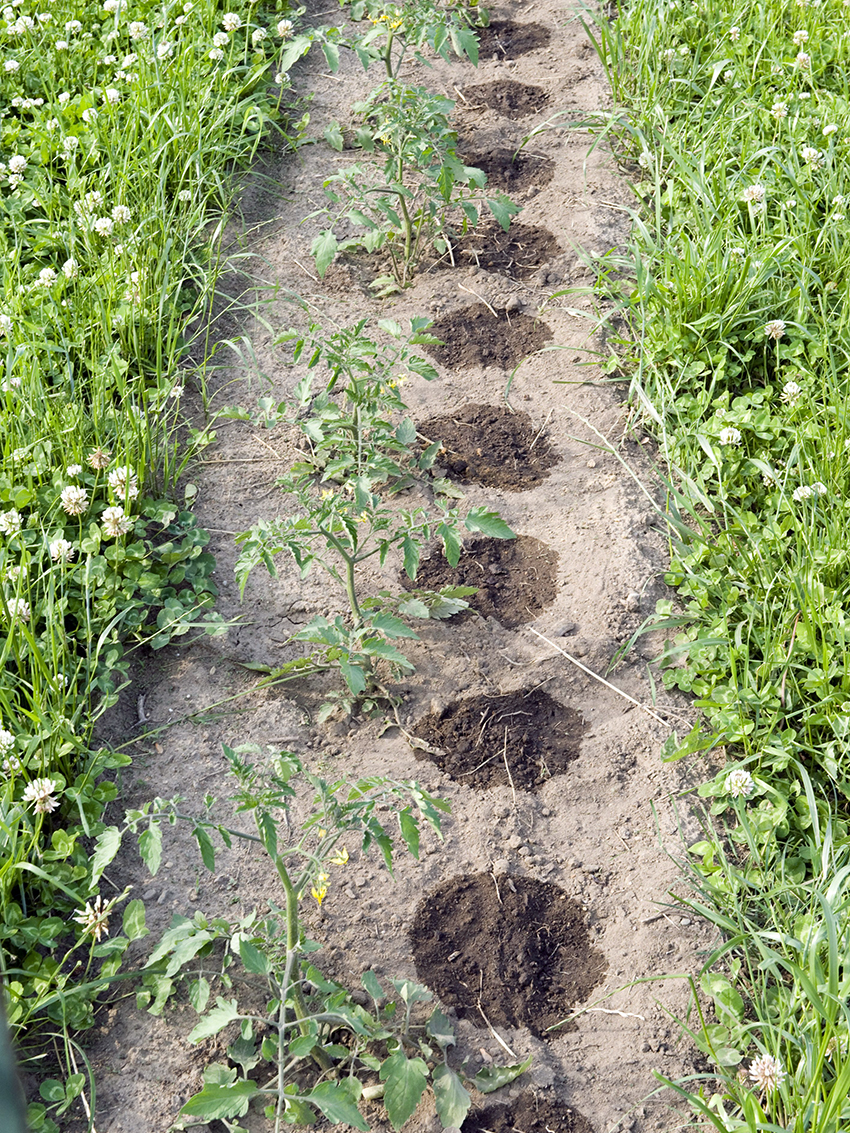
Sketch the sensor location relative to the crop row and water delivery line. Installation depth should reflect the question and rooting zone, not simply the easiest hole to dig. Follow instructions for good soil contact; installation problems can produce misleading data. Record unusual soil or a disturbed spot instead of assuming it represents the entire zone.
A hypothetical paired setup might watch a shallower and a deeper position to learn whether an irrigation event changes both readings. This illustrates a question, not a universal installation depth or prescribed sensor count. A second sensor does not cure an unrepresentative first location. Consider whether different soils or crop stages require separate observations.
Build a local interpretation record
Log irrigation start and stop times, rainfall where relevant, crop stage and a simple field observation alongside readings. Watch how the record changes following wetting and drying. UMN's scheduling material explains why understanding soil-water behavior is more useful than a fixed calendar applied regardless of conditions.
For example, if the surface looks wet while the monitored root zone changes little, investigate delivery, location and installation before concluding that the crop has adequate water. If the reading does not respond to a known event, check the instrument and its placement. Do not automatically extend runtime to compensate for an unexplained number.
Keep the instrument out of false authority
Sensor data should sit beside crop condition, soil observations and the irrigation-zone record. A local reading does not establish distribution across every bed. Use a separate emitter comparison when uneven delivery is suspected. Rainfall outside a tunnel is not rainfall inside it.
Choose a review routine the crew can maintain. Name who checks the data, what triggers a field inspection and how a failed battery or missing signal is flagged. Retain the raw observations rather than only a green or red dashboard status. The useful outcome is a defensible irrigation decision with a record of its assumptions, not a graph that no one can explain after the season.
Sources & context
- Soil moisture sensors for irrigation scheduling · UMN Extension Accessed 2026-09-19
VWC versus tension; calibration, installation and depth; no universal trigger.
- Irrigation strategies for vegetables · UMN Extension Accessed 2026-09-19
Root-zone monitoring and crop-specific irrigation; separate tunnel and open-field conditions.
- Irrigation set-ups for specialty crops · UMN Extension Accessed 2026-09-19
Different delivery systems and design requirements; field-specific suitability.
New editorial synthesis from the sources above. No earlier site edition or field trial is implied.
Site publication date: unset. Research and source dates are kept separate. Confirm material use with your certifier and local extension service.
Your follow-up list
Saved in this browser only.