Independent notes for ecological growersResearch edition September 2026
From the original source

Real fields.
Credit where it’s due.

Photographs are context, not evidence that we visited a farm or tested a product. All are used in this local review edition with owner publication review pending.

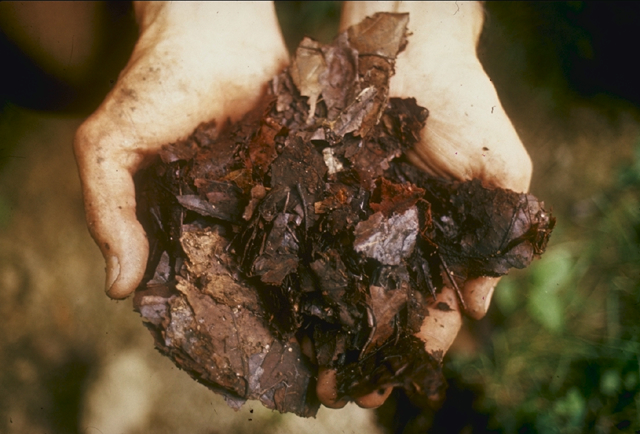
Hands holding dark compost.

Compost held in two hands. Reference photograph, not a sample from a reported farm trial.

USDA, via Wikimedia Commons

Original source

Public domain · owner-review-pending
Retrieved 2026-09-19
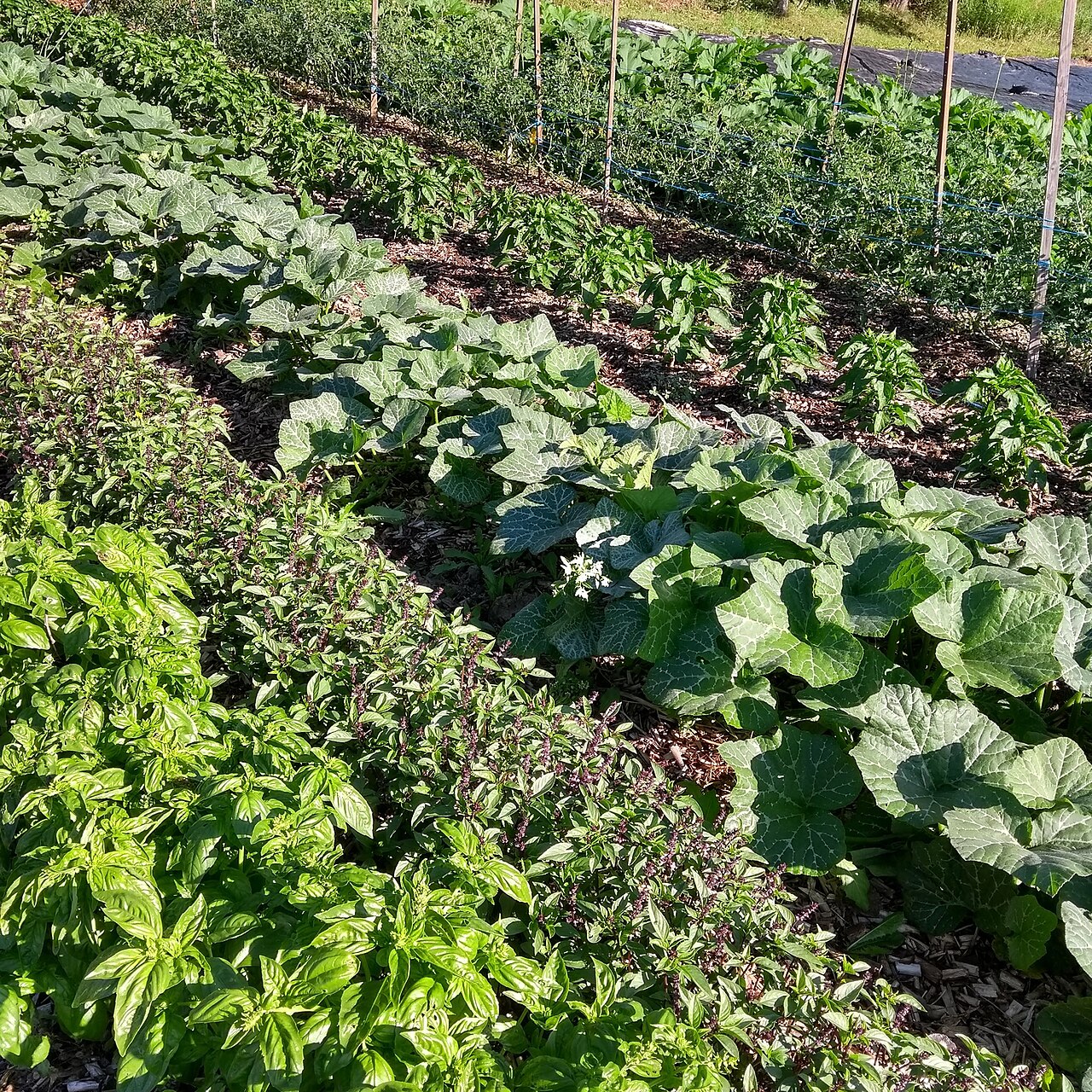
Rows of vegetables in a garden.

Vegetable beds in a garden. Reference photograph; equipment suitability depends on the actual site and work.

Idéalités

Original source

CC BY-SA 4.0 · owner-review-pending
Retrieved 2026-09-19

A pile of dark soil on a white background.

A soil sample. This photograph is not a soil test and not a product claim.

Mesaytsegaye

Original source

Public domain · owner-review-pending
Retrieved 2026-09-19
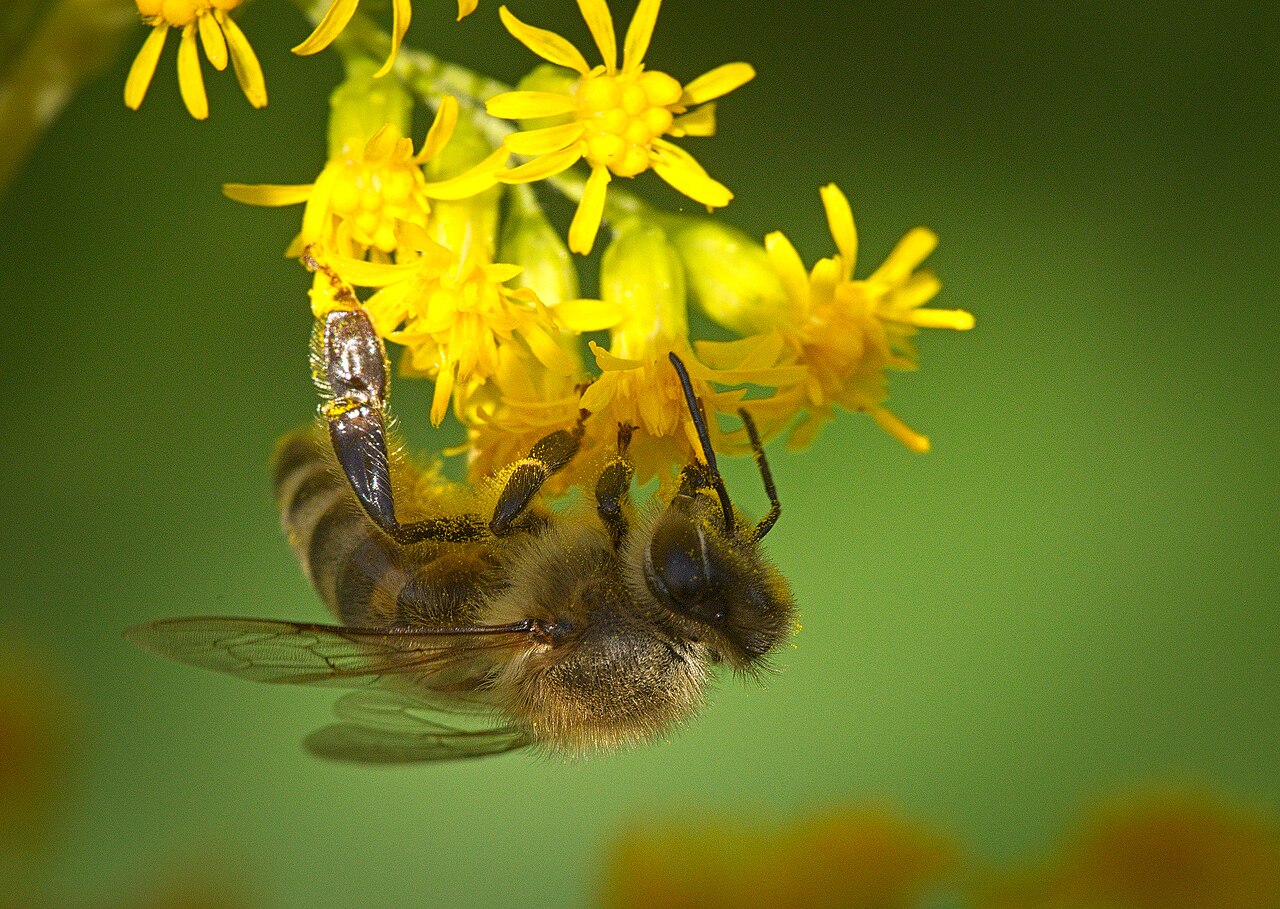
A honey bee on goldenrod.

Pollinator context for insecticide notes. Organic-approved is not automatically bee-safe.

hedera.baltica from Wrocław, Poland

Original source

CC BY-SA 2.0 · owner-review-pending
Retrieved 2026-09-19
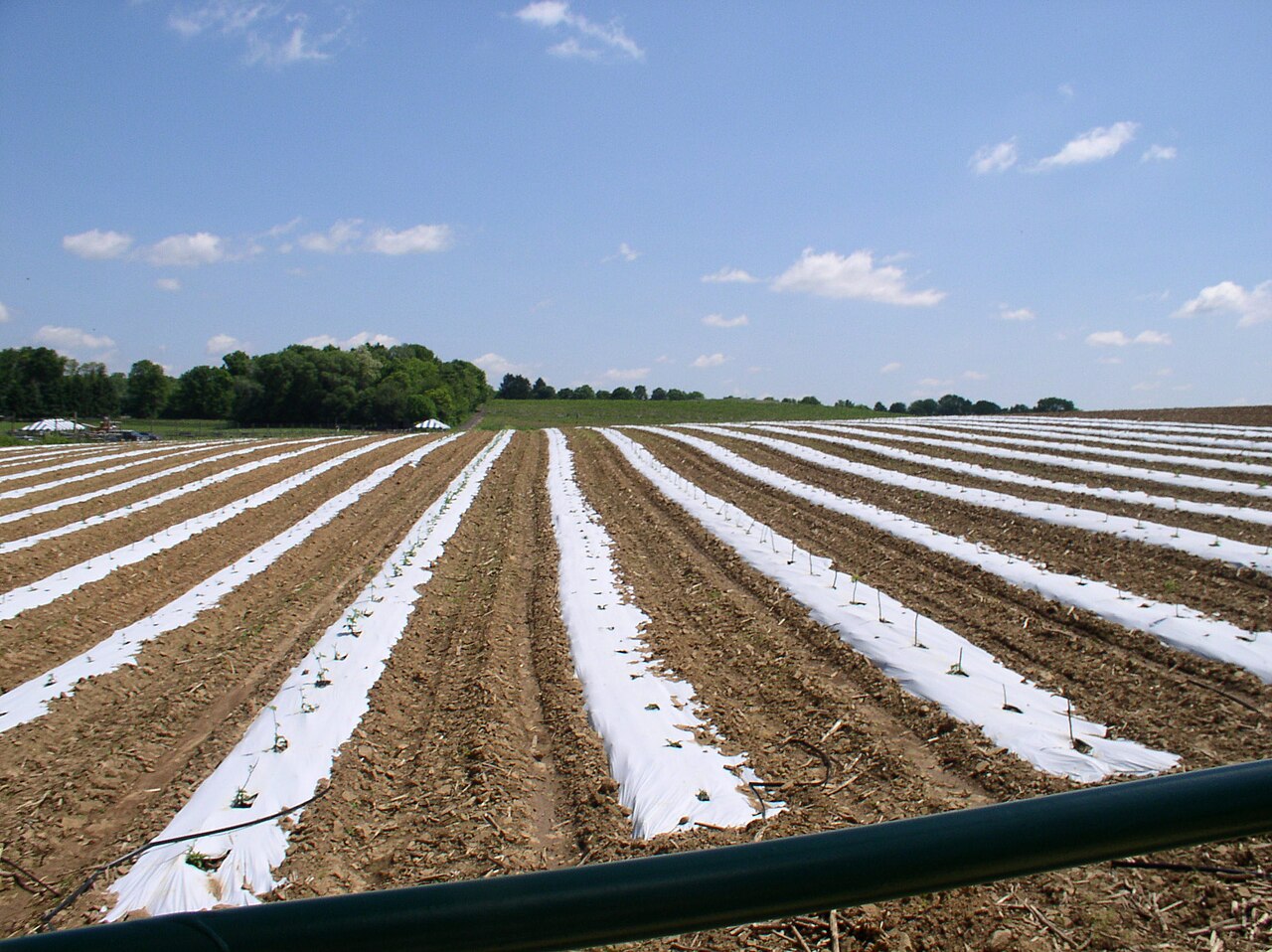
Plastic mulch laid on a crop bed.

Plastic mulch in a field. Biodegradable claims in the pack stay dated and sourced.

Unknown author Unknown author

Original source

Public domain · owner-review-pending
Retrieved 2026-09-19
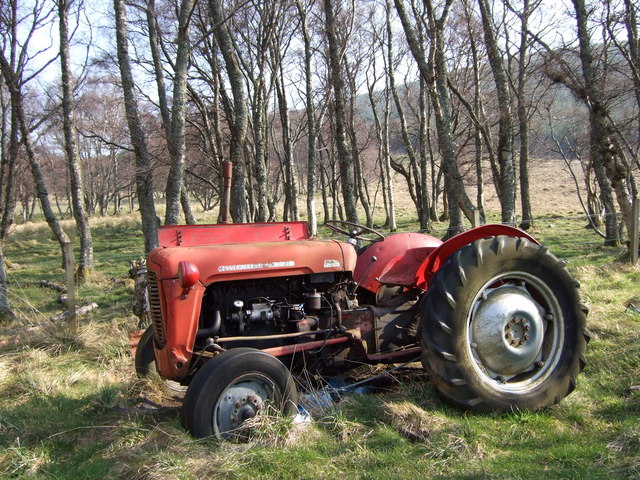
A compact tractor in a field.

A compact tractor. Equipment pages do not rank brands or promise yield.

Stanley Howe

Original source

CC BY-SA 2.0 · owner-review-pending
Retrieved 2026-09-19

The USDA headquarters building.

USDA building photograph. Program status in the notebook comes from dated research notes, not this facade.

JSquish

Original source

CC BY-SA 3.0 · owner-review-pending
Retrieved 2026-09-19

A spiral-bound notebook photographed close up.

A spiral notebook. This edition extracts research cards; it does not invent trials.

Jenniferjanette1

Original source

CC BY-SA 4.0 · owner-review-pending
Retrieved 2026-09-19
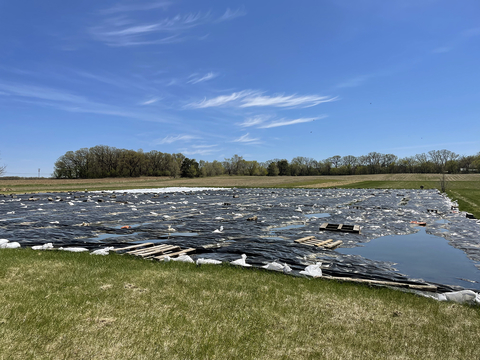
Black silage tarp weighted with sandbags over a grassy field.

Silage tarp used for occultation, from UMN Extension's reduced-tillage vegetable-crops guide.

University of Minnesota Extension (photographer not stated on source page)

Original source

Owner review pending · owner-review-pending
Retrieved 2026-09-19
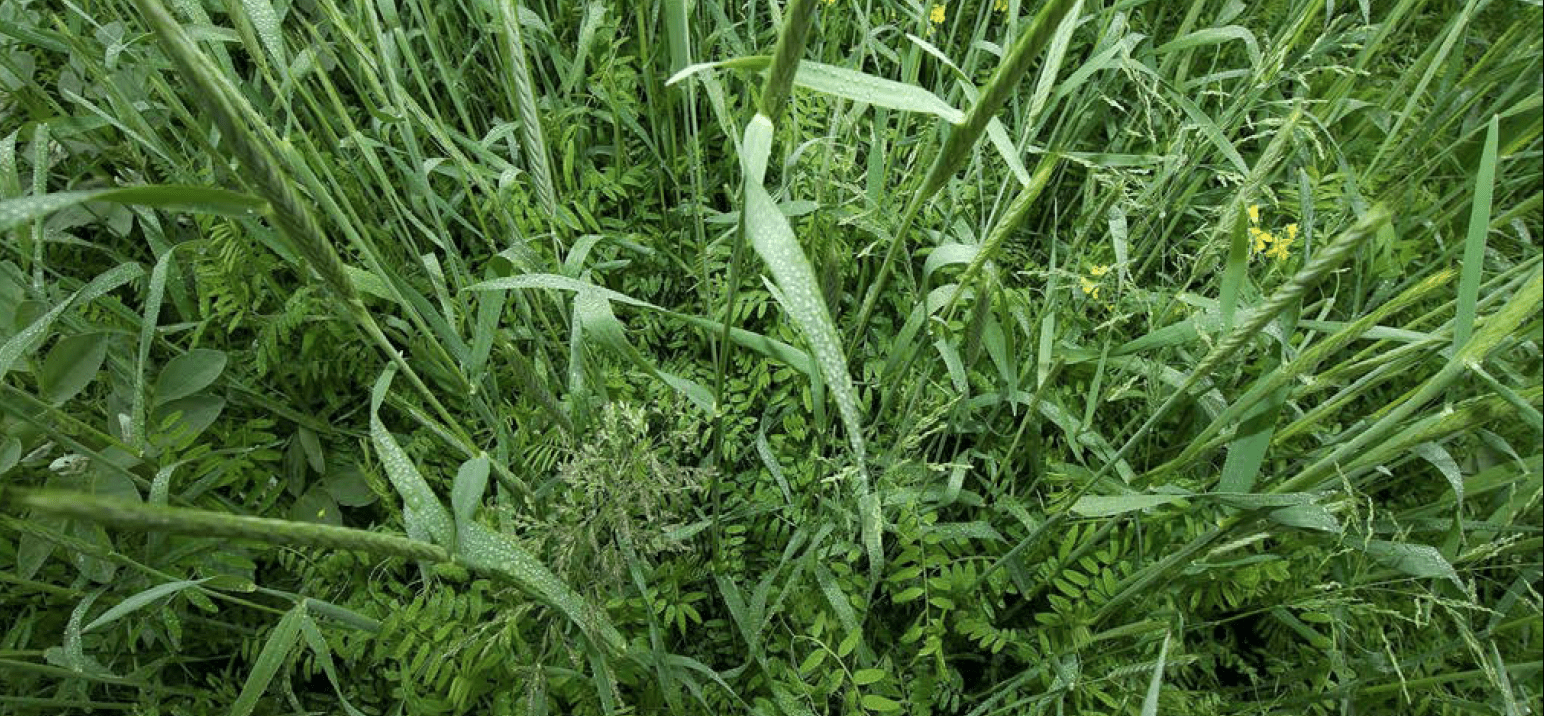
Cereal rye and common vetch growing together as a mixed cover crop.

A mixed cereal rye and common vetch cover crop, shown in OSU Extension's nitrogen-release guide.

© Oregon State University

Original source

Owner review pending · owner-review-pending
Retrieved 2026-09-19
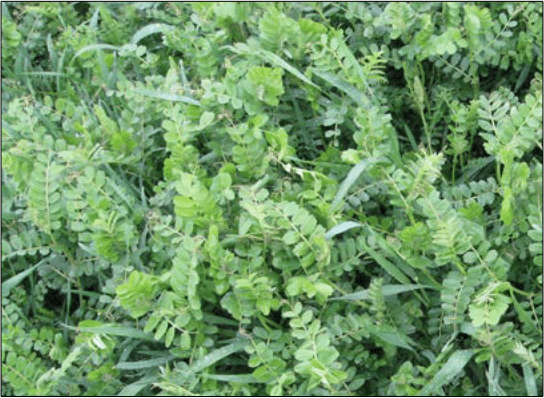
Close view of cereal rye blades and vetch leaves in a cover crop stand.

Cereal rye and common vetch at a mid-vegetative stage, from OSU Extension.

© Oregon State University

Original source

Owner review pending · owner-review-pending
Retrieved 2026-09-19
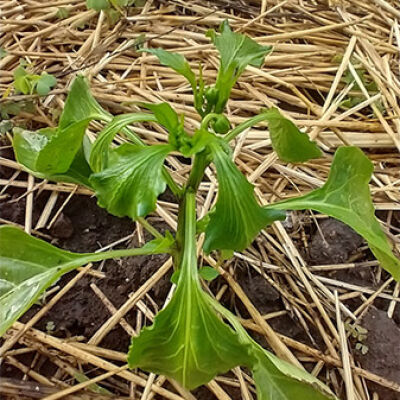
Pepper plant with wilted foliage in a garden.

A pepper plant used to illustrate 2,4-D injury in UMN Extension's garden herbicide-injury guide.

University of Minnesota Extension (photographer not stated on source page)

Original source

Owner review pending · owner-review-pending
Retrieved 2026-09-19
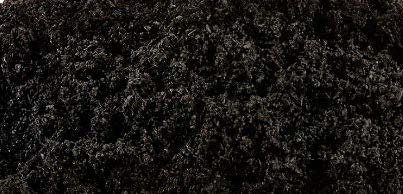
Close view of porous black biochar pieces.

Biochar illustration from Utah State University Extension's soil water-holding-capacity guide.

Utah State University Extension (photographer not stated on source page)

Original source

Owner review pending · owner-review-pending
Retrieved 2026-09-19
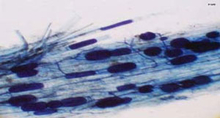
Microscopic view of an endotrophic mycorrhiza infecting a plant root.

Endotrophic mycorrhiza infecting a plant root, credited by UMN Extension to Marcia Wicklow-Howard.

Marcia Wicklow-Howard, Boise State University

Original source

Owner review pending · owner-review-pending
Retrieved 2026-09-19
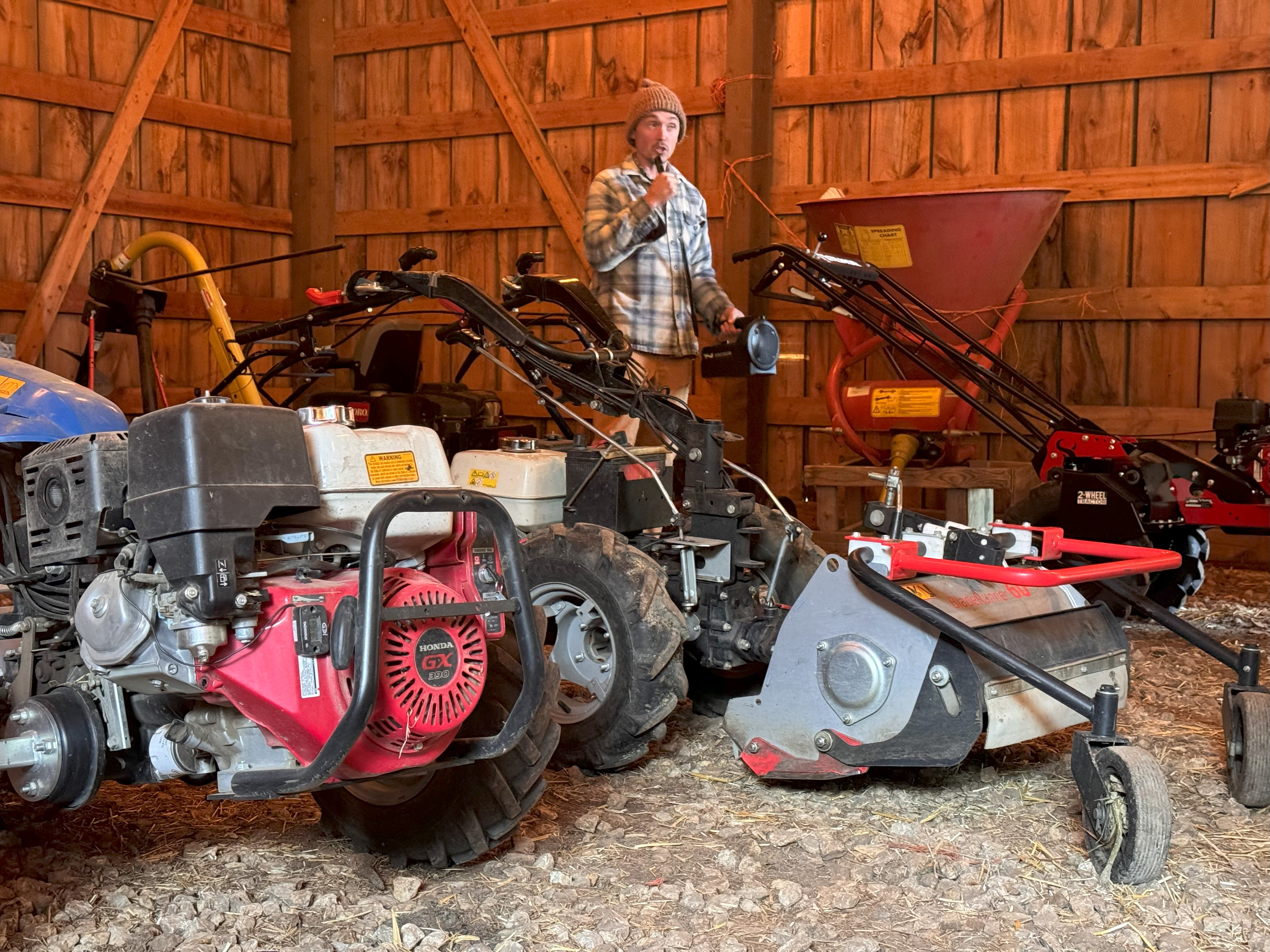
Walk-behind tractors gathered at a vegetable farm.

A variety of walk-behind tractors at Big River Farms. Photo credited by UMN Extension to Cat Dehdashti.

Cat Dehdashti

Original source

Owner review pending · owner-review-pending
Retrieved 2026-09-19
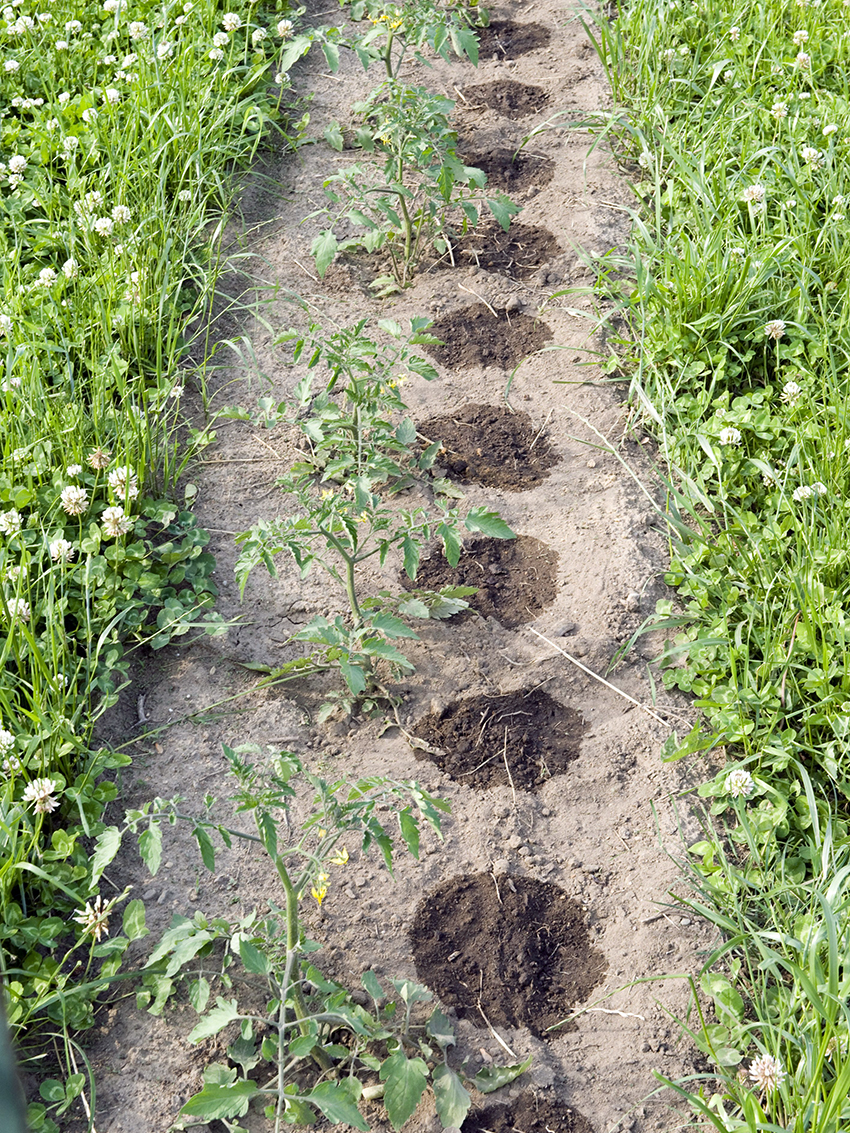
Tomato row with localized wet patches along buried drip tape and clover in the aisle.

Drip wetting patterns in a tomato row, from UMN Extension’s irrigation guide. Illustrative context, not this publication’s field trial.

Dwight Sipler / Flickr, credited by University of Minnesota Extension

Original source

Permission not established; owner review required before public release · owner-review-pending
Retrieved 2026-09-19
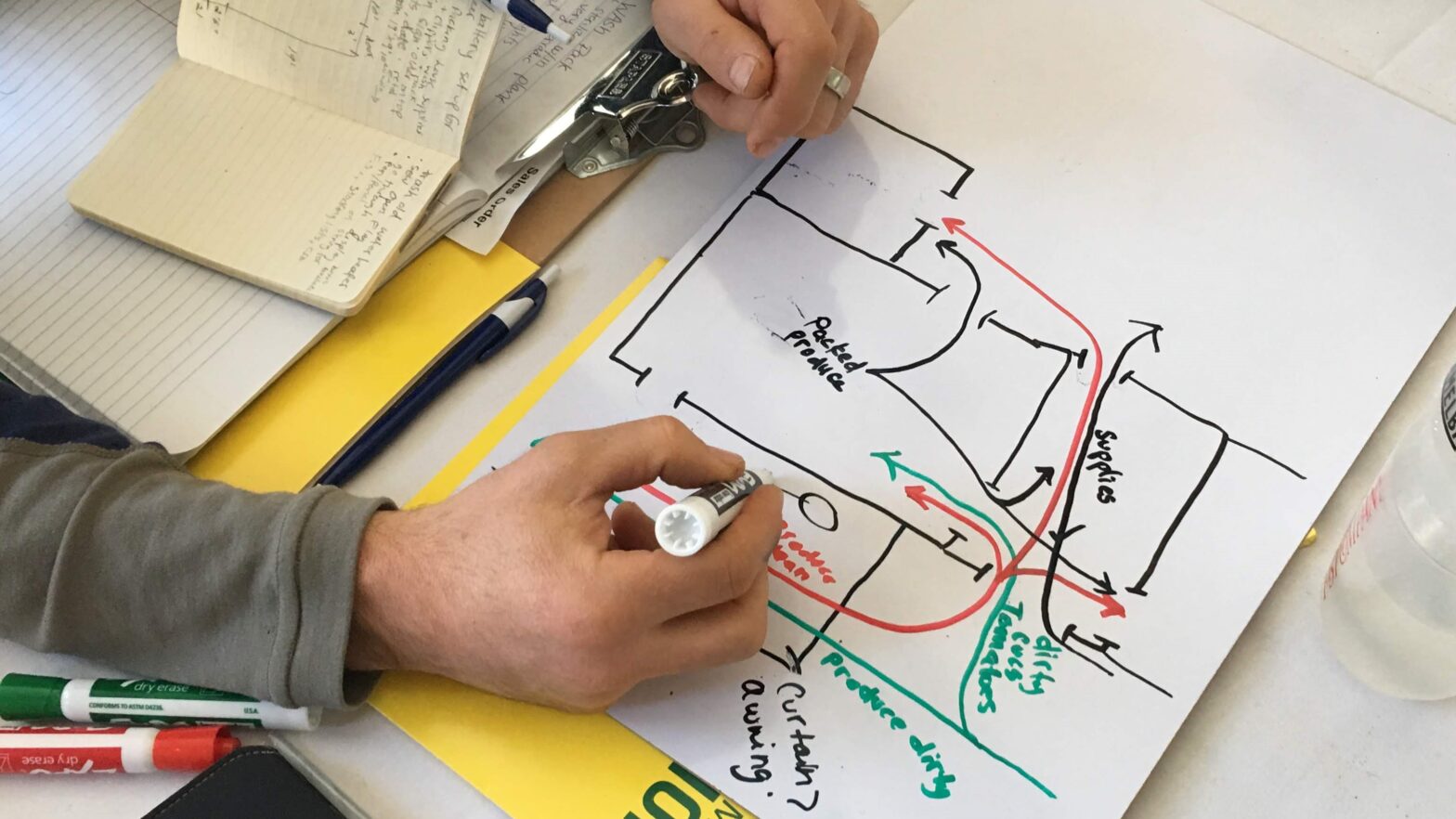
Hands drawing colored workflow arrows on a wash and pack floor plan beside a notebook.

Mapping produce, container and supply routes, from UVM Extension’s wash/pack planning article. No farm visit by Eco Farm Field Notes is implied.

UVM Extension Agricultural Engineering; individual photographer not identified

Original source

Permission not established; owner review required before public release · owner-review-pending
Retrieved 2026-09-19
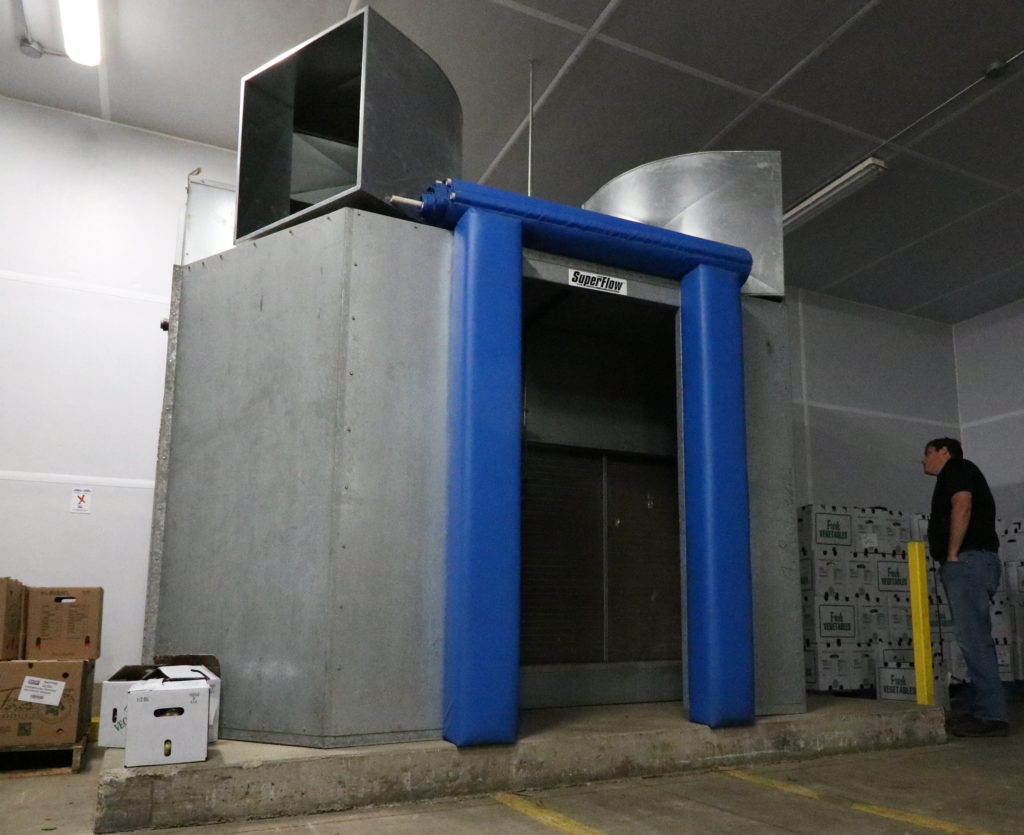
Commercial forced-air cooler with a blue opening beside stacked produce boxes.

A commercial forced-air cooler at a produce distribution facility, shown by UVM Extension. Context only, not a tested or recommended purchase for a small farm.

UVM Extension Agricultural Engineering; individual photographer not identified

Original source

Permission not established; owner review required before public release · owner-review-pending
Retrieved 2026-09-19
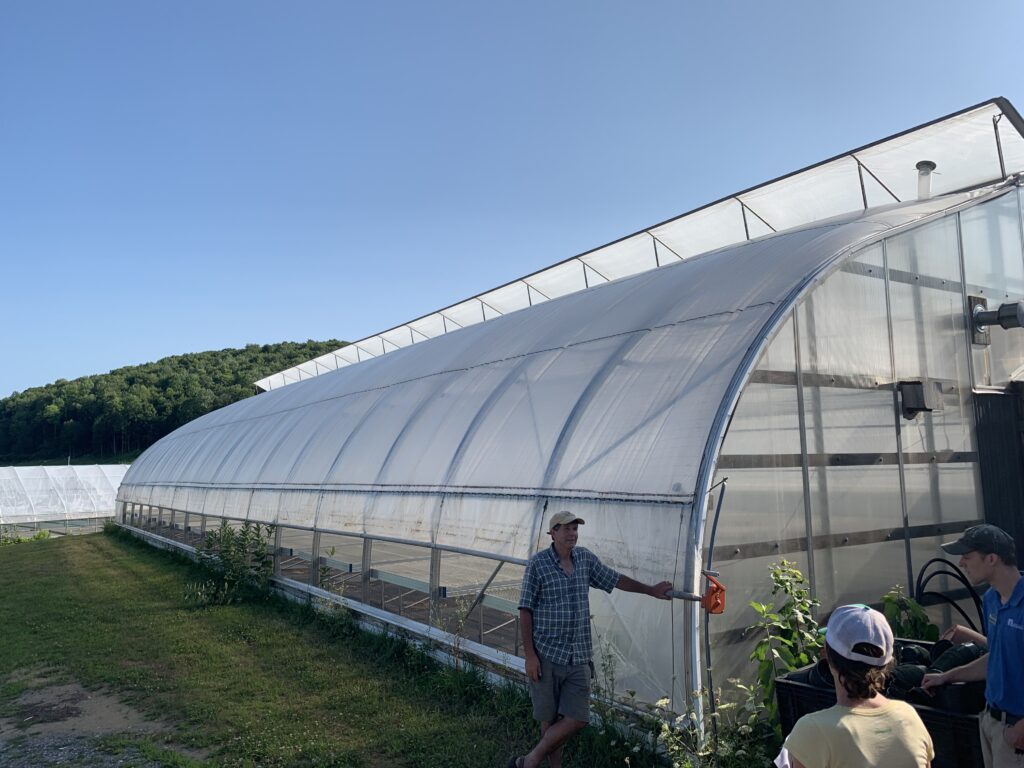
Greenhouse with raised side openings and an open roof vent.

A greenhouse using side openings and a ridge vent, from UVM Extension’s ventilation guide.

UVM Extension Agricultural Engineering; individual photographer not identified

Original source

Permission not established; owner review required before public release · owner-review-pending
Retrieved 2026-09-19