Key sources checked 19 September 2026. Extension-based decision guide with clearly labeled editorial examples; not an independent farm trial. This is a local review edition.
Keep these questions close.
- Keep different management areas separate.
- Use the selected laboratory’s depth and handling instructions.
- Save the sampling map, not just the result.
A soil result describes the material in a bag. Whether it describes the bed you intend to fertilize depends on decisions made before that bag reaches the laboratory. Mixing unlike areas can produce an average that fits none of them. The useful starting question is not how many tests you can afford, but which areas you would manage differently if their results differed.
Draw the management zones
The Minnesota and New Hampshire sampling guidance emphasizes representative samples. Separate areas with different soils, drainage, cropping or amendment histories. A tunnel with years of concentrated compost applications should not disappear into the same sample as a newly rented field. Keep an abnormal patch separate if the purpose is diagnosis; otherwise it can obscure conditions in the productive area.
Make a simple sketch with permanent names: North beds, Tunnel east, or New field. Names based only on this year's crop become confusing when the rotation changes. Mark the boundaries and note why each area is separate. The portable-records guide explains how to retain those identifiers when changing software. You do not need a sophisticated mapping subscription to preserve this context.
Follow the lab, not a universal depth
Choose the laboratory and intended test before collecting soil. Sampling depth, sample quantity, drying and shipping requirements depend on the test and production system. Ask whether a nitrogen or contamination question requires a separate sample or different handling. A routine fertility package is not automatically a food-safety or contaminant screen.
Within each zone, collect the laboratory's recommended number of subsamples across the area, using clean tools and a consistent depth. Combine them as instructed. Do not quietly substitute a handful from the easiest corner. Put a matching identifier on the bag, submission form and map, and tell the lab the intended crop and relevant management history.
A small-farm example
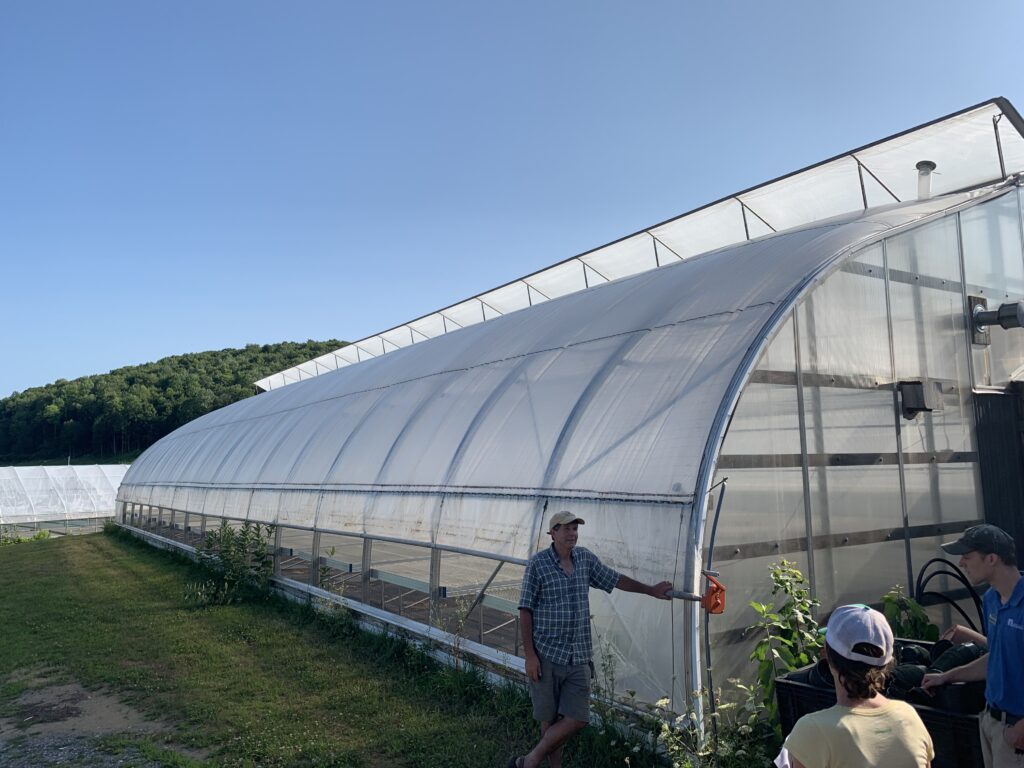
Consider a hypothetical farm with twelve outdoor beds and one tunnel. Eight beds received the same amendment; four were newly opened. The grower proposes three management zones rather than one pooled sample. That is a decision about different histories, not a recommendation that every twelve-bed farm needs three tests.
If the four new beds contain a visibly poor wet corner, the grower can discuss a separate diagnostic sample with the lab. Recording that reason matters. A future reader should be able to tell whether a result represents routine fertility monitoring or investigation of a specific problem.
Make the next round comparable
Save the date, depth, zone boundaries, recent amendments, test package and laboratory with each report. When the next test changes, first check whether the sampling process also changed. Moving from beds to paths, changing depth, or sampling immediately after an amendment can complicate the comparison.
Before acting, check that the report's field name and crop are correct. Then use the soil-report reading guide to separate a measured concentration from a fertilizer recommendation. If an unusually high or low result would trigger an expensive change, ask the laboratory whether resampling is appropriate before buying material. Good records make that conversation specific.
Sources & context
- How to Sample — Fields · University of Minnesota Accessed 2026-09-19
Representative field samples and separate management zones.
- Best Practices for Submitting Your Soil Sample · UNH Extension Accessed 2026-09-19
Composite sampling, matching labels, crop information, and laboratory-specific instructions.
- Farm/Field and Commercial Horticulture Crops · UMN Soil Testing Laboratory Accessed 2026-09-19
Tests and crop-specific interpretation are regionally calibrated. No listed service price reproduced.
New editorial synthesis from the sources above. No earlier site edition or field trial is implied.
Site publication date: unset. Research and source dates are kept separate. Confirm material use with your certifier and local extension service.
Your follow-up list
Saved in this browser only.