Key sources checked 19 September 2026. Extension-based decision guide with clearly labeled editorial examples; not an independent farm trial. This is a local review edition.
Keep these questions close.
- Match the report to the delivered batch.
- Total nitrogen is not first-season available nitrogen.
- Keep nutrient quality, contamination and approval checks separate.
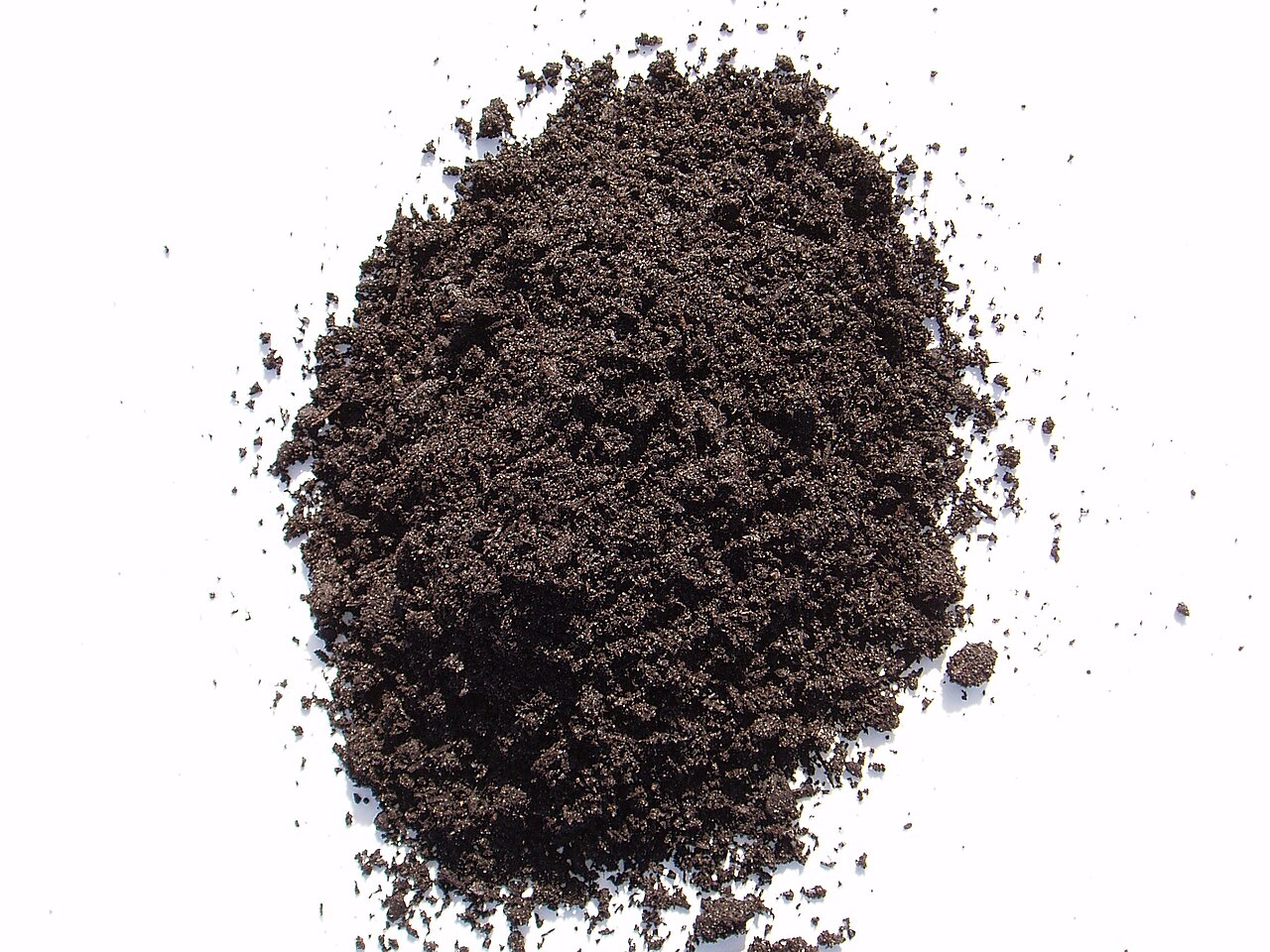
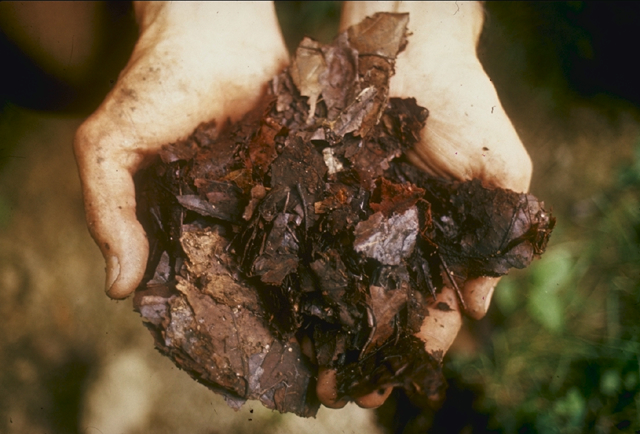
The delivered price is only one line in a compost decision. Another load may contain a different amount of water, release nutrients differently, or introduce more salts than the receiving bed can tolerate. A useful comparison begins with the current batch analysis and the condition of the field, not the color of the pile or the supplier's description of it as premium.
Establish what the report represents
Ask for the sample date, batch or production-period identifier, feedstock description and laboratory method. A report from a previous season is context, not proof of the current delivery. Oregon State's compost-analysis guidance stresses representative sampling: a precise laboratory result cannot repair an unrepresentative sample.
Make the delivery ticket and analysis travel together in the farm record. If a supplier cannot match them, record the uncertainty before ordering. The purpose is not to demand an elaborate certificate for every conversation; it is to know which claims are actually supported and which are assumptions.
Read the basis and the nitrogen forms
A percentage on a dry-weight basis excludes water. A delivered ton does not. Moisture therefore matters when translating an analysis into the mass of nutrients purchased. Total nitrogen includes organic forms that are not immediately available to a crop; it should not be treated as an equal replacement for soluble nitrogen in the coming season. Ask for locally appropriate availability estimates rather than inventing a release fraction.
For arithmetic only, suppose a hypothetical 1,000-kilogram delivery is 40 percent water. It contains 600 kilograms of dry material. At an illustrative 1 percent total nitrogen on a dry basis, that is 6 kilograms of total nitrogen, not 10 and not 6 kilograms guaranteed available this season. These are teaching values, not a compost specification or application recommendation.
Put salts and phosphorus beside the benefit
Electrical conductivity is a salt indicator, but results depend on the extraction method. Oregon State cautions against treating different compost EC methods as interchangeable. Crop sensitivity, soil condition and application rate also affect the decision. A number needs its method and context before it becomes useful.
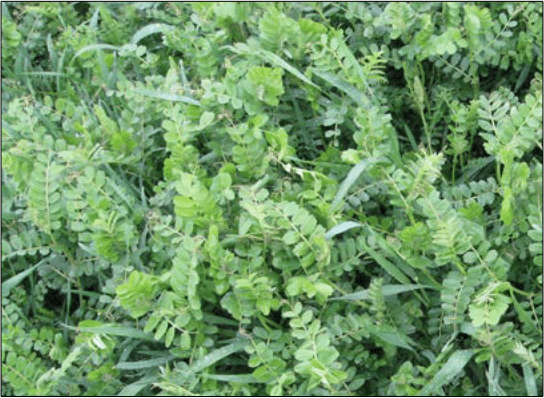
Repeated compost additions can supply more phosphorus than a vegetable system needs. Tunnel conditions deserve particular care because rain is excluded and inputs can accumulate. Check the soil report before deciding that building organic matter requires another identical load. A cover crop or different nutrient source may address a different constraint without repeating the same nutrient package.
Do not make one report do three jobs
A nutrient analysis does not establish absence of persistent herbicides, all contaminants, or pathogens. Nor does it establish organic approval. Keep the feedstock and bioassay questions separate from fertility calculations and ask the certifier about the intended use.
Before accepting a quote, write down the receiving zone, purpose, proposed quantity, batch record and unresolved questions. If you cannot explain what the compost is intended to improve, pause the purchase. The useful outcome of analysis can be a smaller order, a different material, a controlled trial, or no delivery at all.
Sources & context
- Interpreting compost analyses · Oregon State University Extension Accessed 2026-09-19
Dry versus wet basis; total versus available nitrogen; EC method dependence; C:N alone does not establish maturity.
- Spring soil testing: which tests are right for your vegetable farm? · UMN Extension Source date: 2020-03 · Accessed 2026-09-19
Separate nutrient questions; phosphorus accumulation from repeated additions. Old service/COVID instructions excluded.
- Soil health and nutrient management in high tunnels · UMN Extension Accessed 2026-09-19
Input-related salts, separate water testing and risks of indiscriminate flushing.
New editorial synthesis from the sources above. No earlier site edition or field trial is implied.
Site publication date: unset. Research and source dates are kept separate. Confirm material use with your certifier and local extension service.
Your follow-up list
Saved in this browser only.