Key sources checked 19 September 2026. Extension-based decision guide with clearly labeled editorial examples; not an independent farm trial. This is a local review edition.
Keep these questions close.
- Name the primary job before choosing species.
- Treat establishment and termination as one plan.
- Trial a manageable area before expanding a mixture.
A cover crop has to fit between real farm operations. A species with an attractive list of benefits is a poor choice if it cannot establish after harvest or leave the bed ready for the next crop. SARE's selection framework starts with the problem and the available window. That is a stronger starting point than buying the most diverse mixture the seed budget can accommodate.
Give the planting one principal job
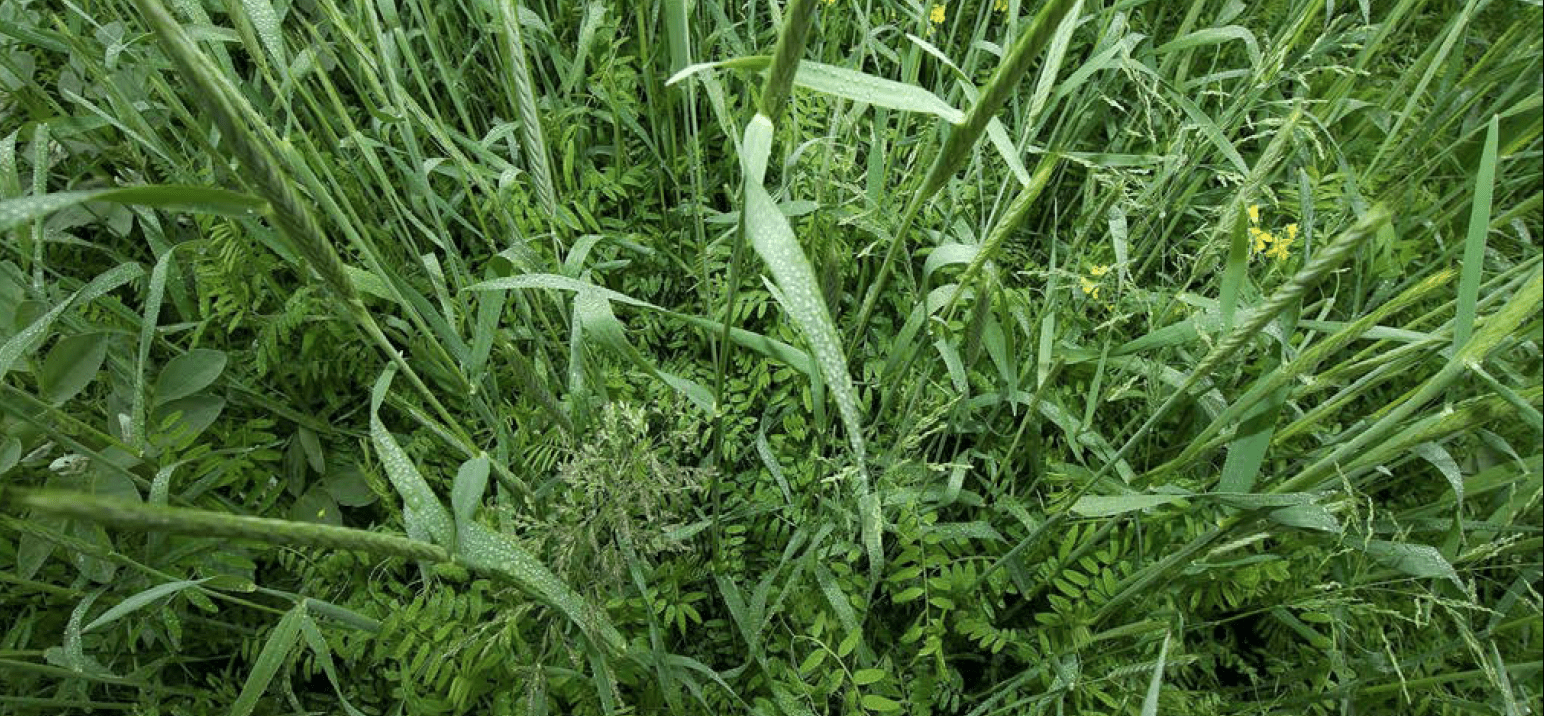
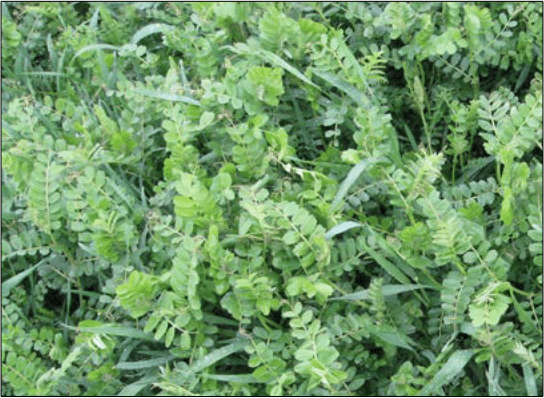
Write one primary aim and one secondary aim. You might want to capture leftover nutrients while protecting soil, or grow legume biomass before a later crop. Grasses and legumes are not interchangeable: grasses can capture nutrients already present, while legumes can add nitrogen through a biological association when conditions support it. Neither function guarantees a particular fertilizer credit on your farm.
Avoid a specification that asks one short planting to maximize nitrogen, suppress every weed, break compaction and provide long flowering habitat. Those goals can conflict in timing. Decide which outcome would make the planting worthwhile and what you could actually observe or measure.
Work backward from the following crop
Put the next planting date on a calendar. Add the time needed for termination, residue handling, bed preparation and a weather contingency. What remains is the cover crop's establishment and growth window. Then check local guidance for species, variety and seeding method appropriate to that window.
A hypothetical farm might have one bed free for a short summer interval and another vacant through winter. They should not automatically receive the same mixture. The summer bed needs a plan that fits a near-term return to vegetables; the winter bed has different establishment and survival questions. This example is a planning distinction, not a species recommendation for every climate.
Choose for the equipment you have
Write down how seed will reach soil, how moisture will support emergence and how you will stop the crop. A mower, hand tools and a small seeder impose different limits from a tractor and roller-crimper. Interseeding into an existing crop adds competition and access constraints; Maine's vegetable research is useful context, not a universal calendar.
Mixtures add management questions as well as potential functions. Which species dominates under your conditions? Can all components be terminated at a workable stage? Does the mix complicate seed metering? Ask the supplier for composition and seed quality, but use regional extension evidence for expected performance.
Keep a small comparison worth repeating
Try a limited area you can manage well. Record sowing date, seed lot, establishment, weeds, termination effort and the effect on planting the following crop. Include labor and missed opportunities, not just photographs of tall biomass. If comparing options, keep the design clear enough to separate the seed choice from different irrigation or planting dates.
Use the termination guide before the seed order is finalized. When you want to claim that one option improved performance, move from an informal demonstration to a planned farm trial. A cover crop earns its place by serving the rotation, not by making the seed list look complete.
Sources & context
- Selecting the Best Cover Crops for Your Farm · SARE Source date: 2007 · Accessed 2026-09-19
Choose function and rotation window before species; regional adaptation and small trials.
- Building Soils for Better Crops, Chapter 10 · SARE Source date: 2021 · Accessed 2026-09-19
Grass nutrient capture, legume nitrogen fixation, biomass and termination trade-offs.
- Interseeding Cover Crops in Late-season Vegetables · University of Maine Accessed 2026-09-19
Cover crop establishment within a standing vegetable rotation; seeding methods and timing are site-specific.
New editorial synthesis from the sources above. No earlier site edition or field trial is implied.
Site publication date: unset. Research and source dates are kept separate. Confirm material use with your certifier and local extension service.
Your follow-up list
Saved in this browser only.