Key sources checked 19 September 2026. Extension-based decision guide with clearly labeled editorial examples; not an independent farm trial. This is a local review edition.
Keep these questions close.
- Choose a feasible termination method before sowing.
- Check actual growth stage and regrowth, not only the calendar.
- Protect the next crop’s planting window with a fallback plan.
The cover crop is only half of a rotation decision. The other half is what happens when vegetables need the bed. More biomass can be useful, but it may also mean more material to handle, a later planting date or a method your equipment cannot perform. Treat termination as a planned operation with its own labor, weather and follow-up requirements.
Match the method to the crop and system
Winter injury, mowing, incorporation, rolling and other approaches do not have the same effects on every species or growth stage. A method that leaves a crop flat may not leave it dead. SARE's conservation-tillage guidance connects termination to both the following crop and the equipment used to plant through residue.
Select the method with regional advice, the species and your management system in view. Certified growers must verify permitted practices and inputs. This guide is not a herbicide schedule or a universal instruction for roller-crimping. If the planned method depends on a maturity stage later than your planting window, change the plan before buying seed.
Inspect three things before the operation
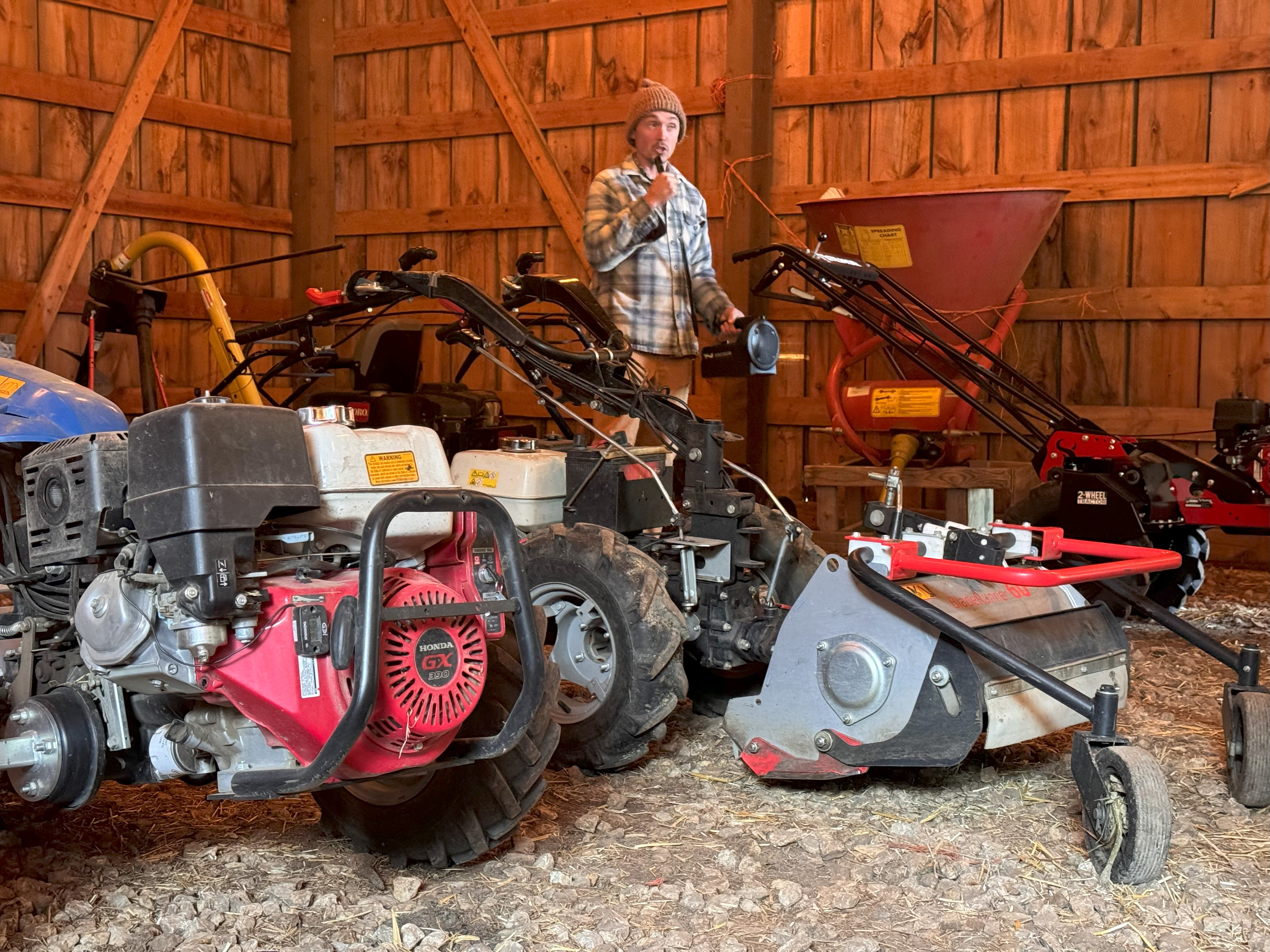
First, look at growth stage and the possibility of seed production. Second, check soil moisture and trafficability. Third, test whether the following crop's planting equipment can cope with the expected residue. A photograph of a successful roller-crimped field elsewhere does not resolve any of those questions locally.
Make a short walk-through with the people who will do the work. Identify where wet ground limits access, where the cover is sparse and where headlands need a different approach. That is often more useful than agreeing on a single date weeks in advance and never revisiting it.
Budget the transition, not just the pass
Imagine a hypothetical bed scheduled for transplanting on a Monday. The plan should include the termination pass, checking for regrowth, handling residue and preparing a workable planting zone. If all those tasks are assigned to Sunday afternoon, the apparent efficiency depends on everything working first time.
Set an earlier decision checkpoint: if the cover or weather does not suit the chosen method, what approved fallback protects the planting window? A fallback may involve changing the following crop or choosing a different cover next season. It should not mean improvising unsafe machinery use or treating unverified chemistry as a rescue option.
Record what the next crop experiences
Residue quality and handling affect how the transition behaves. Do not convert total cover-crop biomass into a guaranteed nitrogen credit. Ask local advisers how species, stage and incorporation relate to nutrient release, and record any fertilizer changes separately. Also note whether residue interferes with seeding, transplant placement or subsequent cultivation.
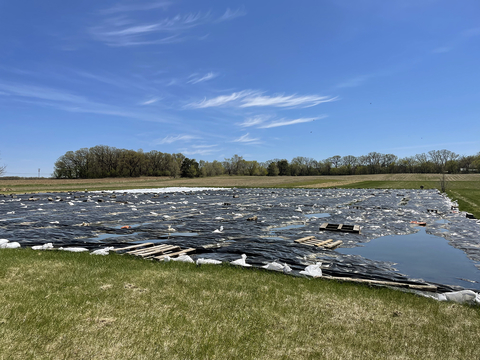
After planting, review the whole sequence: termination effectiveness, regrowth, labor, soil condition and establishment of the cash crop. Keep dates and observations alongside the cover-crop selection record. If tarps form part of the system, consult the tarping guide rather than assuming any short covered interval will finish the job. The best exit plan is one your farm can repeat under ordinary constraints, not just perfect weather.
Sources & context
- Managing Cover Crops in Conservation Tillage Systems · SARE Source date: 2007 · Accessed 2026-09-19
Termination, planting equipment, moisture and residue must be planned together; no universal timing prescription reproduced.
- Building Soils for Better Crops, Chapter 10 · SARE Source date: 2021 · Accessed 2026-09-19
Grass nutrient capture, legume nitrogen fixation, biomass and termination trade-offs.
- Selecting the Best Cover Crops for Your Farm · SARE Source date: 2007 · Accessed 2026-09-19
Choose function and rotation window before species; regional adaptation and small trials.
New editorial synthesis from the sources above. No earlier site edition or field trial is implied.
Site publication date: unset. Research and source dates are kept separate. Confirm material use with your certifier and local extension service.
Your follow-up list
Saved in this browser only.