Key sources checked 19 September 2026. Useful extension evidence; timing is species-, season-, and region-dependent. This is a local review edition.
Keep these questions close.
- Opaque tarping suppresses weeds by blocking light; clear-plastic solarization is a different, heat-dependent practice.
- Choose duration for the weed species and rotation rather than relying on one universal number.
- Measure total labor and plan wind anchoring, storage, reuse, and eventual plastic disposal.
Occultation is a scheduling tool
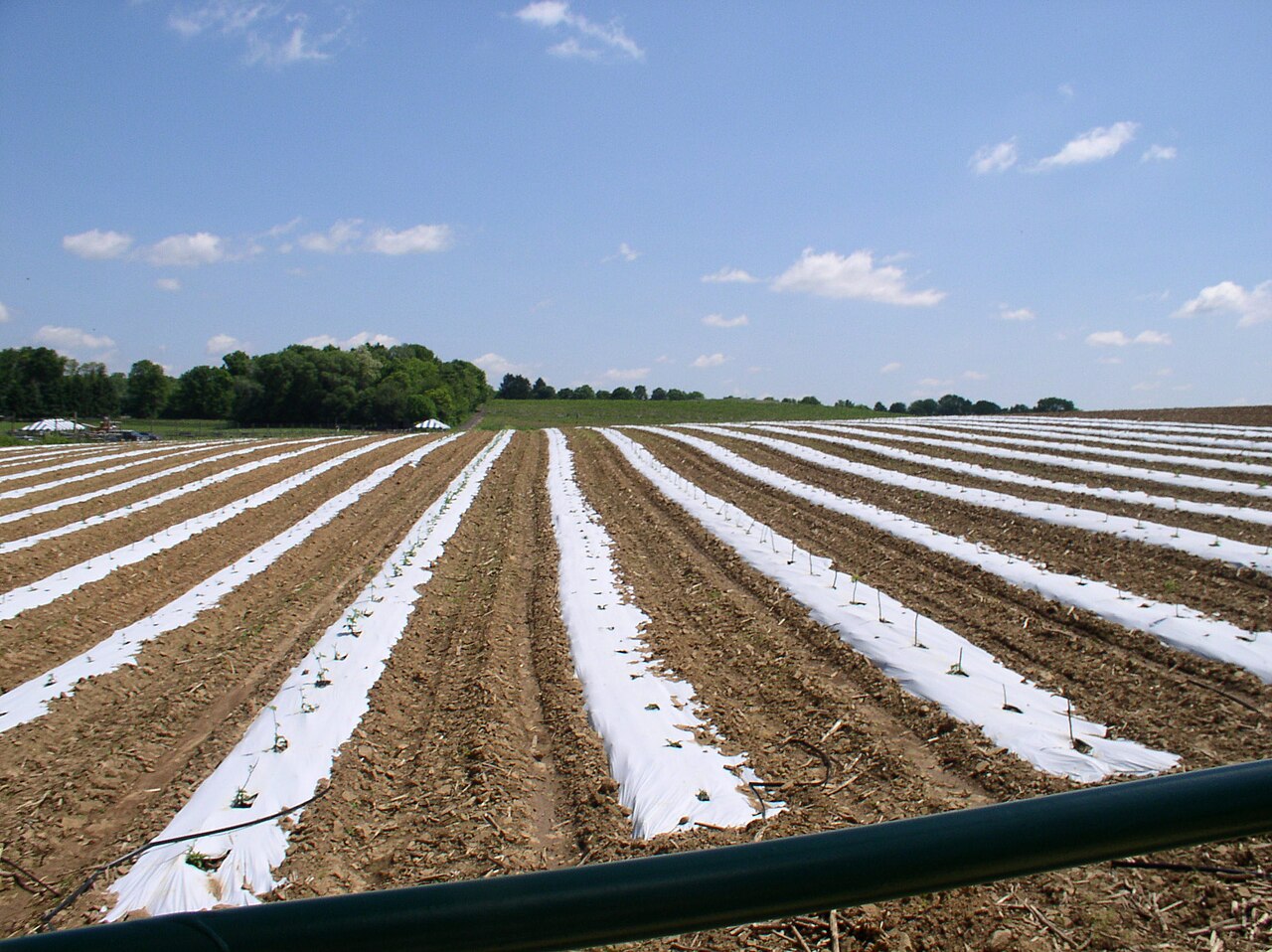
An opaque silage tarp blocks light. Germinating weeds exhaust their reserves, existing vegetation weakens, and a prepared bed can remain protected from new growth until planting. This is occultation, not solarization. Clear plastic relies on captured heat and therefore depends much more on intense sun, warm weather, soil contact, and local climate.
University of Maine’s Northeast guide treats tarps as multifunctional tools between crops: suppressing weeds, holding prepared beds, terminating some cover crops, and supporting reduced tillage. The benefit comes from fitting covered time into the rotation. A tarp laid without a planting date can merely move the weed problem, tie up ground, and create an awkward sheet of wet plastic at the busiest moment.
Duration depends on the target
Annual weed flushes in a prepared seedbed may be suppressed within weeks, but extension sources caution that effectiveness changes with temperature, moisture, weed stage, and species. Virginia Cooperative Extension observed much longer periods for established bermudagrass and johnsongrass than for ordinary bed preparation. Edge survivors and tolerant perennials can remain after the rest of the surface looks clean.
Before covering, identify the dominant weeds and decide whether the goal is a stale seedbed, cover-crop termination, or perennial suppression. Prepare good soil contact and moisture when the goal is to encourage a flush under the tarp. Record cover and removal dates. Inspect edges when the tarp comes off, then plant or follow with the planned cultivation promptly.
Design for safe handling and wind
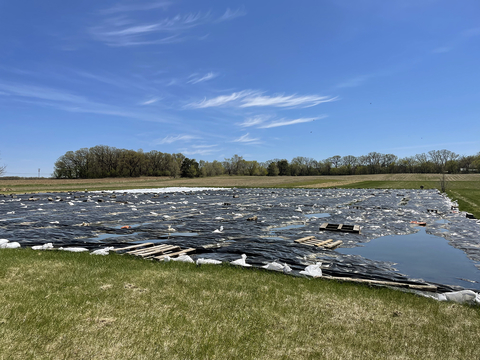
Large tarps are heavy, slippery, and difficult to control in wind. Choose modules that the available crew can move safely, and map where weights will go before unrolling. Virginia Cooperative Extension describes close spacing of weight bags around edges with additional weights through the center; wind exposure should determine the final layout. Loose edges reduce control and can turn the tarp into a sail.
Use UV-rated material intended for repeated agricultural use. Avoid sharp weights that puncture the sheet, repair small damage, and store tarps dry and out of sunlight when idle. Plan access so a tractor, pallet, or crew does not drag plastic across sharp crop residue. No tarp life estimate is a guarantee: ultraviolet exposure, deer, abrasion, folding, and winter storage all change it.
- Size each module for the crew and bed block.
- Anchor every edge and add center weights for the site’s wind.
- Label tarp dimensions and repair damage before reuse.
- Keep a retirement and disposal plan for worn polyethylene.
Compare labor, weeds, and plastic use
Trial one block against the farm’s normal bed-preparation practice. Count weeds in fixed areas after tarp removal and again after planting, and record crew time for preparation, moving, weighting, removal, cleaning, and storage. Include the opportunity cost of land held out of production. A tarp that reduces hoeing but requires repeated emergency anchoring may not save labor.
Treat occultation as one part of weed management. Prevent seed rain, manage edges, rotate crops, and cultivate escapes while small. In cool spring conditions, opaque tarps may be more dependable than heat-based solarization; in hot sunny regions, clear-plastic methods may perform differently. Ask local extension which approach has been tested nearby. Reuse improves the material budget, but it does not make polyethylene waste-free.
Sources & context
- Tarping in the Northeast: Introduction Source date: 2023-01 · Accessed 2026-09-19
- Tarping and Occultation Techniques in Gardening and Farming Source date: 2025 · Accessed 2026-09-19
- Using the sun to kill weeds and prepare garden plots Accessed 2026-09-19
- What is Soil Tarping and Why is it Used? Source date: 2023-06-30 · Accessed 2026-09-19
Site publication date: unset. Research and source dates are kept separate. Confirm material use with your certifier and local extension service.
Your follow-up list
Saved in this browser only.