Key sources checked 19 September 2026. Extension-based decision guide with clearly labeled editorial examples; not an independent farm trial. This is a local review edition.
Keep these questions close.
- Protect useful existing habitat before replacing it.
- Plan establishment, flowering continuity and maintenance.
- Measure habitat function without promising pest control.
A packet labeled pollinator mix does not tell you whether a planting will fit the farm. Beneficial insects need more than a brief display of flowers, and the people tending the strip need access, time and a maintenance plan. Treat habitat as an ongoing piece of farm infrastructure with a purpose and a location, not an automatic substitute for scouting or crop protection.
Inventory what already exists
Walk field edges, banks, hedges and less-disturbed areas before ordering plants. Xerces' habitat assessment separates the resources insects use across their lives. Food, shelter, nesting or overwintering sites, and protection from pesticide exposure are related but distinct. A new flowering strip can still be a poor refuge if its location creates routine exposure.
Sketch useful areas and gaps. Record which features you want to retain, what maintenance currently occurs, and which operations could damage them. A low-cost improvement may be changing how an existing margin is managed rather than creating a completely new bed. Check local weed and invasive-species concerns before deciding to preserve every unmanaged plant.
Choose a location that can last
Place habitat where it can coexist with turning machinery, irrigation access, drainage and harvest traffic. Ask whether a narrow strip will be repeatedly driven over or whether a hedge could shade a crop or obstruct a work route. Practical conflicts should be solved on the map before they become reasons to remove the planting.
Use locally suitable plant guidance and consider flowering across the season, not only peak color. Establishment needs can differ from maintenance once plants are established. Identify who will manage weeds and water during the vulnerable early period. Include those tasks in the budget instead of treating seed cost as the full project cost.
Make the purpose observable
For an illustrative farm plan, a grower might aim to close an observed midsummer flowering gap along one accessible field edge. The first review would ask whether plants established, whether flowers were available in that interval, and whether the strip remained protected during farm operations. These are achievable observations, not a claim that the strip increased yield.
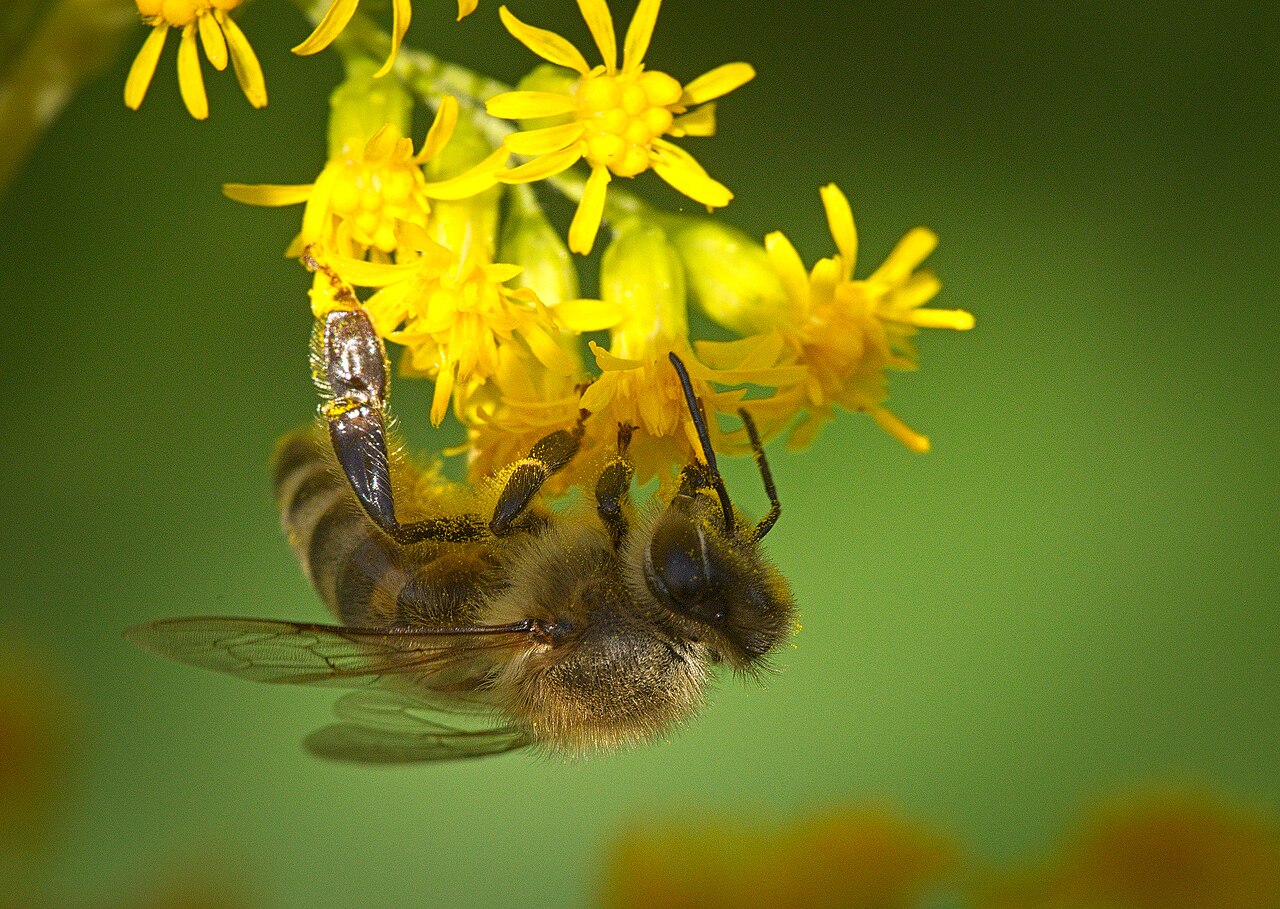
Seeing insects visit is encouraging but does not identify all of them or establish pest suppression in the crop. Keep habitat observations separate from pest counts. If a quantitative benefit is important, discuss a suitable monitoring design with an extension or conservation specialist rather than inferring success from photographs alone.
Keep habitat and crop management connected
Review pesticide risks even where a product is described as natural or approved for a particular production system. Check the current label and local guidance; a habitat planting does not neutralize exposure. Coordinate mowing, maintenance and any applications with the people working nearby.
Use repeatable scouting records to understand what is happening in the crop. Keep your habitat map, plant list, establishment costs and observations together, then review them after the first full season. A planting that needs adjustment is not a failure; a claim of guaranteed biological control without evidence is. If you intend to compare outcomes, plan a fair on-farm trial rather than attributing every change to the planting. Begin with a manageable area and expand what proves workable in your landscape.
Sources & context
- Beneficial Insect Habitat Assessment Guide · Xerces Society Accessed 2026-09-19
Existing habitat, floral continuity, shelter and pesticide exposure are separate planning concerns.
- Supporting Pollinators on Farmland · Xerces Society Accessed 2026-09-19
Nesting, flowers, overwintering and refuge from pesticides; no guaranteed pest suppression.
New editorial synthesis from the sources above. No earlier site edition or field trial is implied.
Site publication date: unset. Research and source dates are kept separate. Confirm material use with your certifier and local extension service.
Your follow-up list
Saved in this browser only.
.jpg)