Key sources checked 19 September 2026. Moderate evidence for context-dependent effects; farm outcome uncertain without a trial. This is a local review edition.
Keep these questions close.
- Biochar responses vary with soil condition, climate, feedstock, production, and co-applied nutrients.
- Diagnose a specific soil constraint and obtain product analysis before buying bulk material.
- Budget agronomic use without speculative carbon-credit income and test the complete practice in replicated strips.
The average hides the farm
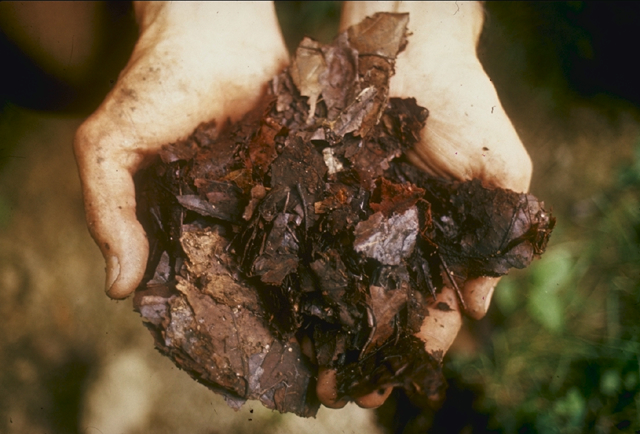
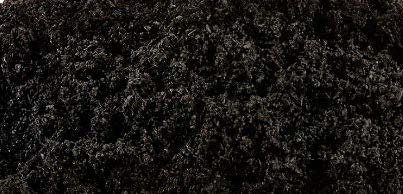
Biochar is carbon-rich material produced by heating biomass with limited oxygen, but the label covers materials with very different feedstocks, temperatures, ash contents, pH, particle sizes, and contaminants. A result for one char cannot be transferred automatically to another. The same product can also behave differently in an acidic, low-organic-matter soil than in a fertile temperate loam.
A 2017 global meta-analysis led by Jeffery reported an average yield increase in tropical studies but no average yield effect in temperate studies. The authors linked much of the tropical response to liming and nutrient effects in acidic, low-fertility soils. A separate meta-regression found large variability and identified soil properties, including low cation-exchange capacity and low organic carbon, as important predictors. These are reasons to diagnose the soil first, not promises of a return.
Define the constraint before choosing char
Begin with a current soil test and a plain statement of the constraint: low pH, weak nutrient retention, low water-holding capacity, or a need to use a particular clean biomass stream. If ordinary lime, compost, irrigation repair, or fertility correction addresses the same problem more predictably, compare those options directly. Biochar should not substitute for basic soil diagnosis.
Ask the supplier for feedstock, production method, pH, ash, moisture, particle size, nutrient analysis, and contaminant testing. Manure-derived and wood-derived chars are not agronomically interchangeable. Dust handling and incorporation also affect labor and exposure. Certified organic farms should obtain approval for the exact product and intended use rather than assuming that a biomass origin makes it allowed.
- Name the soil limitation and the measurement that shows it.
- Compare biochar with the least-cost conventional correction.
- Require a batch or product analysis, not only a feedstock story.
- Include freight, handling, and incorporation in the budget.
Trial the complete practice
Field research shows that fertilizer and organic amendments can change the apparent response to biochar. That means a farm trial should compare the practice you would actually use: the same fertility program in both treatments, with biochar as the only planned difference. If biochar is blended or co-composted before field use, document that treatment rather than crediting raw char alone.
Use replicated strips large enough for normal equipment and keep an untreated control. Measure the intended outcome over more than one harvest when possible: marketable yield, soil pH, available nutrients, irrigation demand, or another preselected indicator. Avoid changing several inputs at once. A response may take time, but an open-ended trial without stopping rules can turn uncertainty into sunk cost.
Keep carbon claims separate
A soil amendment purchase and a possible carbon-revenue project are separate decisions. Evidence that some biochar carbon can persist does not establish that a particular farm, product, or transaction will generate income. Do not use uncontracted carbon revenue to rescue a weak agronomic budget.
For a purchased product, calculate delivered cost per treated area and compare it with the value of a conservative farm benefit, excluding uncontracted credits. Start on the soil most likely to respond rather than across the whole farm. If the test shows no useful change, that is a valuable result: the farm avoided scaling a costly material whose average story did not fit its ground.
Sources & context
- Biochar boosts tropical but not temperate crop yields Source date: 2017 · Accessed 2026-09-19
- Heterogeneous global crop yield response to biochar: a meta-regression analysis Source date: 2013 · Accessed 2026-09-19
- Biochar effects on crop yields with and without fertilizer Source date: 2019-09-16 · Accessed 2026-09-19
- A quantitative understanding of the role of co-composted biochar in plant growth Source date: 2019-10-01 · Accessed 2026-09-19
Site publication date: unset. Research and source dates are kept separate. Confirm material use with your certifier and local extension service.
Your follow-up list
Saved in this browser only.